
Despite the deadly reputation, steps can be taken to protect oneself against exposure to asbestos with a lot of precautions in place. It is possible to work with asbestos carefully. However, asbestos is easy to work with safely. Asbestos removal needs to be carried out by licensed pros with the experience, equipment, and specialist knowledge to carry out safe disposal of asbestos. Asbestos removal should not be performed by those who lack training or necessary specialist equipment to perform the job with safety. The focus needs to be on ensuring you are safe, even if asbestos is present in the workplace. Asbestos in the workplace without safety precautions in place can put the lives of workers, families and the general public in danger and incur massive penalties.
Where is Asbestos Found?
Table of Contents
Asbestos is found everywhere. It is possible that before 1999, any property built may have asbestos. This includes shops, hospitals, factories, schools, and residential properties. This popular building material has left a deadly legacy behind and this is more so for those working in the demolition, construction or emergency based industries. Asbestos is used to lag pipes, as insulation or sprayed coating and this has a major legacy in the commercial as well as military shipbuilding sector. The resistance to fire made it a popular safety product and was extensively used in the 50s and 60s, prior to the understanding of the dangers of exposure to asbestos.
What Do You Need to Do?
If one suspects that asbestos is prevalent and one is not qualified to work with this, the most important thing to do is secure the site and step out. Call in professionals and have the site surveyed. So, one needs to test for asbestos before proceeding. But if there is training in functioning with sites contaminated by asbestos, planning, precautions, and preparations should form a part of this.
Planning
Properties built before the late 90s, prior to asbestos being banned, could be contaminated with asbestos. If the property one works in was built in the 50s, 60s or even early 70s, there is a high risk of asbestos-linked contamination. In residential properties, one needs to check with the site manager to see if one is notified of the presence of asbestos on the site. If the location is commercial, bear in mind that the property owner has the duty to inform individuals about the presence of asbestos.
Some initial checks before work commences are essential. The checklist needs to be created, including the questions that come into play. Firstly is a site map or asbestos register of the exact suspected asbestos products location clear? Secondly are the materials asbestos cement, coatings that are textured and certain other materials that do not need licensing? Is one using the correct tools like hand tools and not power tools? Additionally, are proper safety clothing and masks provided which can be disposed of the post the use? It is also essential to consider whether correct cleaning tools and equipment are there on the site, including specialist Class ‘H’ vacuum cleaners. Also, necessary training and experience to work with and around asbestos must be provided.
Mostly all of the work with asbestos must be carried out by licensed contractors, but certain types of work may go ahead sans a license. This includes drilling through textured coatings containing asbestos.
Making Preparations
Even if the asbestos is on the site, one needs to carry out work as long as a carefully prepared plan of action is in place. This includes determining the type of asbestos one is dealing with and testing for asbestos. Once it is determined that the asbestos is inserted and it is safe to continue working, the key to successful operations is preparing oneself and one’s team as per the schedule to factor in asbestos presence.
The most critical preparation while working in locations contaminated with asbestos is training if the team is trained to work safely around asbestos, so chances of undesired exposure is minimal.
Taking Precautions
As long as one proceeds with caution and correct operating procedures are in place, it is safe to carry out work despite the presence of asbestos. Testing of asbestos should be carried out before work commences and during work as well. By being clear about where the asbestos is, you can take the precautions to ensure it is not disturbed.
Here are the steps you need to take. Firstly, the surface of the asbestos paneling needs to be kept damp to prevent asbestos fibers from contaminating the environment. Additionally, it is important to wear the correct safety clothes and use hand tools, instead of power tools. Ensuring that all on the site are aware of and trained to cope with asbestos is also important.
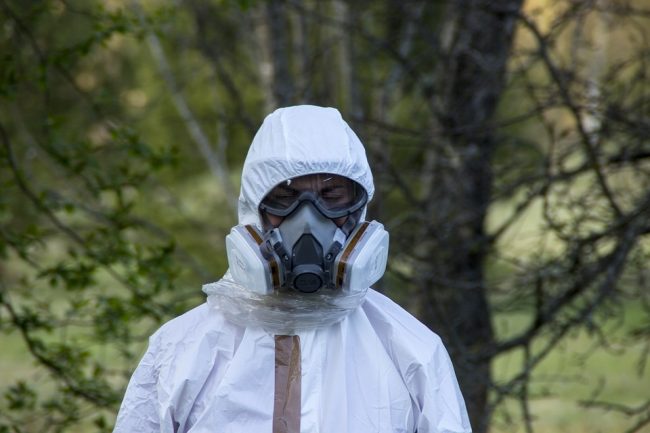
An asbestos register also needs to be used and if the red alert is sounded, experts need to be called in. The right protective apparel is a critical part of protection against asbestos exposure. A mask that is properly fitted needs to be worn at different times to prevent asbestos dust inhalation, and overalls need to be disposed of. For those working in the presence of asbestos, type 5 type overalls need to be worn. If ordinary overalls are used, these need to be removed before taking off the mask, because asbestos fibers can be disturbed on the surface of overalls. Wiping the surface of the overalls with a dampened cloth is the best way to ensure asbestos based dust does not escape into the atmosphere. Overalls don’t need to be taken home to wash, as this could place the family at risk of asbestos exposure.
Each type of boots worn while working with asbestos is important. It is critical not to wear boots with laces as particles may become deposited onto the lace fabric’s surface. In case it is possible, disposable covers need to be used over the top of footwear to prevent contamination of asbestos.
Safety Factors
What happens if asbestos is disturbed? If left inert, asbestos is considered harmless. But in case the surface has been damaged, the fibers can be launched into the environment and if inhaled, it can cause lethal, serious illnesses. In case the asbestos is disturbed, asbestos fibers are detected in the air. If one does disturb the covering or coating of asbestos, evacuating and securing the area at once, and calling in expert removal teams is important. Ensure one work safely by taking considerable precautions while carrying out work that disturbs asbestos.
 Do not stop work and always speak to employers or building owners if one is suspicious there may be asbestos, or if work has been carried out by licensed contractors. Make sure you follow the plan of work and essential guidance sheets. It is also essential to ensure other risks such as work at height are important. Use protective equipment and include face masks worn correctly. It is important to clean up as one goes and stop waste building up. Waste also need to be double bagged and disposed of properly. Washing before the breaks and before going home is important. Check whether the work is to be notified. There also needs to be adequate training before work.
It is also important to use methods that avoid dust creation, like using power tools. Sweeping up dust and debris using a Type H vacuum cleaner or dampened rag is beneficial. Overalls used for asbestos work should not be taken home. Disposable clothing and masks should be used. Smoke should be avoided. It is also important not to eat or drink in the work area.
The work team must find out if asbestos-containing materials are present and plan out the work to avoid disturbing materials if required. It is also important to ensure that anyone going to work on asbestos material has suitable information, instruction, training, and supervision. It is important to know what work can be carried out using asbestos materials, in terms of the work that needs to be carried out by licensed contractors.
Taking risks into account and also working on precautionary measures is essential to do the job carefully and safely. There needs to be equipment, method sheets, and right task sheets to ensure jobs are carried out properly. Exposure to asbestos needs to be as low as possible. So you need to make sure that plan of work is prepared, explaining what the job entails, work procedures and controls used to provide individuals with the right equipment that is cleaned properly, in excellent working condition and offers protection against asbestos.
It is also important to ensure the work area is visually inspected towards the close of the job, to check whether it’s fit for reoccupation, making arrangement for safe asbestos waste disposal. It is also important to consult a health representative.
Legal Regulations
There are numerous sets of regulations for covering work with different types of asbestos-containing material. The duty needs to be placed on duty holders, employers, and self-employed individuals. While it may appear harmless, asbestos is a dangerous substance killing close to 5 thousand workers per year, making it a big cause of UK worker death. If one inhales asbestos fibers, it can cause diseases like mesothelioma and asbestosis. It is, therefore, incredibly important for employees to ensure that correct safety procedures need to be implemented to protect from dangers of asbestos.
Using Protective Equipment
The easiest way to reduce asbestos fiber inhalation is to wear dust respirators and masks when working around or with a deadly substance. This prevents inhalation of particles and getting into the lungs, where there is serious damage. To receive the complete protection of respirators, it is essential to ensure testing kits for the face are in place.
Working with asbestos includes disposable coveralls to stop fibers from sticking onto the goggles, clothing to prevent dust from getting into the gloves and eyes.
Keep Equipment Spick and Span
Asbestos fibers are very fine particles which means you need to be dressed from head to toe, in protective equipment. Otherwise, some of the asbestos fibers may find their way onto hair and clothing. It is, therefore, important to wash individuals and their clothes following any work done with asbestos to ensure substance traces are eliminated. This is one reason why individuals are discouraged from reuse of disposable coveralls, as these are covered in asbestos fibers after extensive work.
Planning Ahead
As with workplace activities, that has risks involved, one needs to plan and assess the work after reducing the chances of fatality or injury. As far as carrying out work at buildings made prior to 2000, one needs to be aware that asbestos is likely to be present in certain areas, as it was used for fireproofing and insulation. This means one needs to be cautious before work commences and buildings are assessed and evaluated to check for asbestos traces. If one finds asbestos, then procedures can be put in place to ensure the safety of workers.
Work Smartly
Common sense plays an important role in protection from dangers in the workplace, including the presence of asbestos. For example, one needs to never consume beverages or food around a substance, or even have a bottle of water by the side when one works. One also needs to make sure before taking the lunch break in an asbestos-free, clean area that hands are washed thoroughly.
Training
Training employees are essential when it comes to working in an area where there is asbestos exposure. Training courses provide users with equipment and tools needed to work with asbestos safely and efficiently. There needs to be a comprehensive understanding of smart working, besides understanding what asbestos is and how to identify it and test user knowledge before commencing work.
Asbestos in The Workplace: Know More
Asbestos is a name granted to a group of natural minerals resistant to corrosion and heat. Asbestos has been used in products, like pipe insulation, steam lines, building materials, floor tiles, vehicular brakes, and clutches. Asbestos includes mineral fibers like amosite, chrysolite, crocidolite, tremolite, actinolite, anthophyllite and other materials that have been altered or chemically treated. Heavy exposures tend to take place in the construction industry, ship repair, especially during removal of asbestos material due to repair, renovation or demolition. Workers are also more likely to be exposed at the time of manufacturing asbestos products like friction products, textiles, insulation as well as other building materials and during automotive clutch repair and brake work.
Hazards of Asbestos
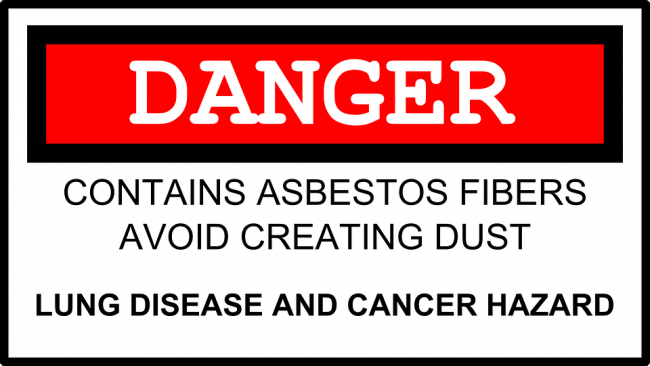
Asbestos is recognized as a hazard of health and its use is regulated by OSHA and Environment Protection Association. Asbestos fibers linked with these health risks are too tiny to be seen through regular eyes. Breathing asbestos fibers can cause scar-like tissue buildup in the lungs known as asbestosis and causes loss of lung functions that may lead to disability and death. Asbestos also leads to lung cancer and other diseases like mesothelioma of pleura which is a lung or stomach’s membrane lining linked fatal malignant tumor.
Epidemiological evidence has increasingly demonstrated all asbestos fiber types, including commonly used forms of asbestos, chrysotile cause mesothelioma in individuals. Reducing the hazards of asbestos is important.
Specifically, worker exposure to asbestos hazards is introduced in specific OSHA standards for the construction and general industry and shipyard employment sectors. The standards reduce the risk of workers by asking employers to provide personal exposure evaluation to assess risk and hazard awareness and prevention training for ops where there is potential exposure to asbestos.
Levels of asbestos in the air can never exceed legal exposure restrictions for workers. Remember that there is no level of safe asbestos exposure for any type of asbestos fiber. Asbestos exposures of even short durations of a couple of days can lead to mesothelioma in human beings. Each occupational exposure to asbestos causes injuries and disease. In fact, every occupational exposure to these fibers increases the risk of asbestos-induced diseases.
Note that where there is exposure, employers need to protect workers by establishing regulated areas, controlling specific work practices and working on engineering controls to reduce airborne levels. The employer needed to ensure exposure is reduced through administrative controls and provision for wearing personal protective equipment. Medical evaluation and monitoring are also needed when exposure times and legal limits are exceeded.
How to Avoid Asbestos Exposure
To avoid being exposed to asbestos, one needs to be aware of locations where it is found. If one does not know whether something is asbestos or not, wait for the verification. One needs to check if the floor or ceiling tiles contain asbestos. OSU Environmental Health and Safety have licensed asbestos abating staff that can take samples from materials to test for asbestos fibers. The Environmental Health Services/EHS needs to be consulted for this. Don’t take a sample yourself unless licensed to do so.
If there is the reason to suspect something is asbestos, because it is labeled as such or because it is something that is likely to contain asbestos. Never drill, cut, saw, hammer, break, damage, disturb or move any asbestos-containing materials or suspected materials. EHS has surveyed a lot of locations in OSU buildings for the presence of asbestos. If one needs to do work that might concern asbestos-like lifting ceiling tiles or repairing insulated pipelines, care should be taken. For example, before moving the ceiling tiles to perform maintenance work, it is necessary to ensure asbestos is not present. If there is asbestos, it needs to be removed by licensed asbestos fibers abatement workers prior to the work being carried out.
For Housekeepers
Housekeepers or custodians should not sand/dry-buff asbestos floor tiles. Therefore, wet stripping methods can be used at the time of stripping operations. Low-abrasion type pads should be of speeds under 300 RPM. Broken or fallen ceiling tiles should be left in place till identified. Only after they have been identified as safe should they be removed. Further, asbestos tiles must be removed by abatement workers. Damaged and broken asbestos floor tiles must be removed by abatement workers. Broken tiles need to be reported to the EHS.
It is also important to report damaged asbestos rich materials to the EHS immediately. If one discovers some sprayed asbestos insulation is dislodged from a ceiling or the wall. This needs to be cleaned up at once by asbestos abatement workers. Potential asbestos material itself should not be cleaned up. Disturb the asbestos material as less as possible. Pipe insulation, ceiling tiles, fallen crumbs, 9″ floor tiles of sprayed on insulation need to be reported. Taking measures to prevent oneself from disturbing the spill until EHS arrives is critical. Know where asbestos is likely to be located and measures should not be taken to disturb it. One needs to, therefore, protect oneself from exposure to these substances. Construction work is an at-risk occupation for exposure to asbestos. Before the 90s, asbestos was used in 1000s of construction materials like flooring, roofing, insulation, drywall, and concrete.
As asbestos rich materials age, they deteriorate and become friable, in that they crumble under light pressure. When ACM is friable, it is likely to release fibers of asbestos. Construction workers can avoid asbestos exposure by learning about job sites where they work, taking safety training, using proper protection and protocols for safety, limiting dust disturbance and using wet methods to limit fiber circulation.
For Workers
Check if the Jobsite Contains Asbestos
For construction work, renovation and demolition both present asbestos exposure risk. Previously installed building materials are richer in asbestos than newer construction materials, except for roofing products. Home and building owners need to be alert about the presence of asbestos in a structure. Owners are responsible for identification of ACM and notification to anyone who works on the building. There are no databases tracking which buildings contain asbestos. For protecting oneself against exposure, the building owner needs to inquire about the ACM.
Take Safety Courses
Additionally, employers are legally required to offer free asbestos training programs for all employees on job sites where there is a risk of asbestos exposure. Such courses teach workers how to avoid asbestos exposure. The aim is to identify asbestos materials and actions that contribute to asbestos exposure. The focus is also on using respirators, or protocols for prevention of job-related asbestos exposure. Potential health effects of asbestos exposure are massive. So, there need to be medical surveillance programs as well, for checking the risk to the lungs following exposure to asbestos.
Education is protection when it comes to asbestos. Limit exposure or prevent it and protect your health.
Use HEPA Filters and Masks
A HEPA filter mask is the easiest protection to protect your lungs from inhalation of asbestos fibers. Employers need to provide masks to employees who work around asbestos. HEPA is a high-efficiency particulate air filter which traps minute fibers up to 0.3 micrometers in diameter and 99.97 percent of fibers. When properly used, these filters capture the majority of asbestos fibers.
Certain job sites where there is asbestos exposure need local exhaust ventilation equipped with HEPA-filter dust collection systems to gather the maximum amount of asbestos fibers. Vacuum cleaners with HEPA filters are needed to clean up asbestos debris and dust.
Avoid Disturbing Dust
Specific work practices contribute to the release of asbestos fibers. Some activities are prohibited on asbestos worksites. This includes usage of saws not well fitted with the point of cut ventilators or HEPA filtered exhaust. Using compressed air to remove asbestos fibers is also important, as is avoiding dry cleanup of asbestos fibers or dust, such as shoveling or dry sweeping. Making employees work overtime on job sites where asbestos is prevalent is also legally barred.
Using the Wet Method
To prevent the release of asbestos fibers, the ACM needs to be wetted first and water continually applied as one works with the material. Keeping debris and dust wet is essential for containing the asbestos material to a single area.
Some jobs which entail the use of electricity cannot use the wet method. Therefore, other prevention and safety measures are critical to using when wet methods are not feasible. Construction workers can avoid asbestos exposure when skills include knowing how to identify ACM and prevent the spread of fibers. Safety measures must be in place to protect workers and family members from unwanted exposure.
Risks of Disturbing Asbestos
Those working on the fabric of the building may be risking disturbance of asbestos. Common occupations include electricians, plumbers, joiners, gas and shop fitters, ventilation and heating engineers, roofers, laborers, plasterers and construction workers. Phone and data engineers, alarm installation professionals, painters, decorators, surveyors, and general maintenance engineers must also be aware of the hazards of asbestos exposure.
Buildings constructed before January 1, 2000, are likely to contain asbestos. It is, however, still possible for recently constructed buildings to contain asbestos. Asbestos can be in places where it is not expected, so coming into contact with it without knowing beforehand is possible. Once ACMs or asbestos-containing materials are disturbed, tiny fibers of asbestos are released. These are hazardous and if inhaled, can cause lung disease or cancer. If one does not take the correct precautions for protecting oneself, life and livelihood are risked.
Most asbestos-related cases are caused due to exposure in the workplace. Asbestos is common in premises, homes and public areas. Even small tasks like drilling holes can expose one to danger. Stop work immediately if you suspect asbestos exposure and keep individuals away. Minimize the spread of contamination to other areas and gain advice on what to do next.
Removing Asbestos
From April 4, 2016, if more than 10 m2 of nonfriable asbestos is removed at a project for the site, it must be carried out by licensed asbestos removalists. Friable asbestos is where the number of fibers is higher and even these require professional, licensed removal. This includes work pertaining to asbestos lagging, asbestos insulation, and damaged asbestos board. Licensed asbestos removalists hold certification.
Ways To Protect Oneself
It is important that steps must be taken to protect oneself against asbestos, even on small jobs that do not create much dust. If possible, the job must be planned to avoid disturbing asbestos. If asbestos is disturbed, it is important not to commence work unless one double check how to do it safely and offers the right training and information.
So, avoid dust, clean up and use the right requirement. While ACM needs to be kept damp, it should not be too wet. Before starting a job, always wet the materials using a hand water spray or a garden sprayer. The ACM needs to be wet as one works. This reduces the dust.
Additionally, the hose can be high pressure and spread the dust around. Use water in washing liquid in the ratio 8:1 to help water soak into the material. It is also important to use gels, pastes and thickened substances like wallpaper paste, shaving cream o hair gel for covering the ACM surfaces worked on.
Using power tools at the lowest speed, ensure that a lot of dust is not created. Dust collection equipment needs to be used wherever possible. Plastic sheets must also be deployed to stop the spread of the dust. This makes cleaning easier. Using the right protective element and wearing masks also makes a difference. Not all marks protect from asbestos. A disposable P2 mask with a valve is the minimum needed for this work. P1 or nuisance abating masks will not provide the protection needed. Also, the mask needs to fit properly, as facial stubble and hair make it impossible to seal the face using the mask.
 Disposable overalls may stop asbestos fibers from getting onto the clothes, but these must not be reused. Wear overalls one size bigger as this helps in preventing ripping at the same. Ensure the legs of overalls are over the top of footwear, as failing to do so can cause the entry of dust and asbestos fibers. It is also vital to clean up properly so one can safely remove and dispose of asbestos waste.
Use a dampened cloth to wipe tools and surfaces, while working as this removes the fibers. The cloth should not be reused and it must be disposed of as asbestos waste. Avoid sweeping up, as this causes the fibers to diffuse in the air. Domestic vacuum cleaners should not be used to clean up this dust either. Use vacuums with filters that catch asbestos fibers.
Finally, the disposal of masks and overalls should be done keeping safety in mind before finishing a job. Masks and overalls can ward off asbestos exposure but these should not be taken home or worn in vehicles, as this can release the fibers and harm your family at home. All waste including masks, clothes, plastic sheets, overalls is double bagged in good quality plastic bags, sealed using tape and marked as asbestos waste. Disposing of asbestos waste at authorized disposal sites is a must.
Visually inspecting areas is essential to ensure it has been properly cleaned.
For Firefighters
Many people are aware that firefighters are battling smoke and fire when they are called to a house for dousing a fire. However, firefighters themselves do not think about dangerous toxins released into the air. Asbestos is a hazardous substance used to build commercial and home sites across the world. So firefighters are at risk each time one is called to the job site.
Exposure to asbestos leads to serious diseases like mesothelioma and asbestosis. This is why firefighters need to protect themselves while on the job. Three different ways firefighters can protect themselves while on the job. Here’s what firefighters need to work on:
- Do not remove the self-containing breathing apparatus while looking for hot spots during the overhaul stage. Just because smoke and fire have died down does not mean the air is rid of toxins like asbestos.
- Do not handle dry dust at the fire scene. Trained and certified abatement pros should be the ones to handle and remove the asbestos at the site.
- After fighting a fire, make sure you decontaminate yourself. Always take a shower and change into clean clothes to avoid asbestos fibers.
Conclusion
Firefighters, workers, and home or commercial building owners alike need to consider the harmful effects of asbestos and how to safeguard their health. Taking preventative and protective measures is critical if you want to avoid chronic health conditions and remain disease-free in the face of asbestos in the workplace.