
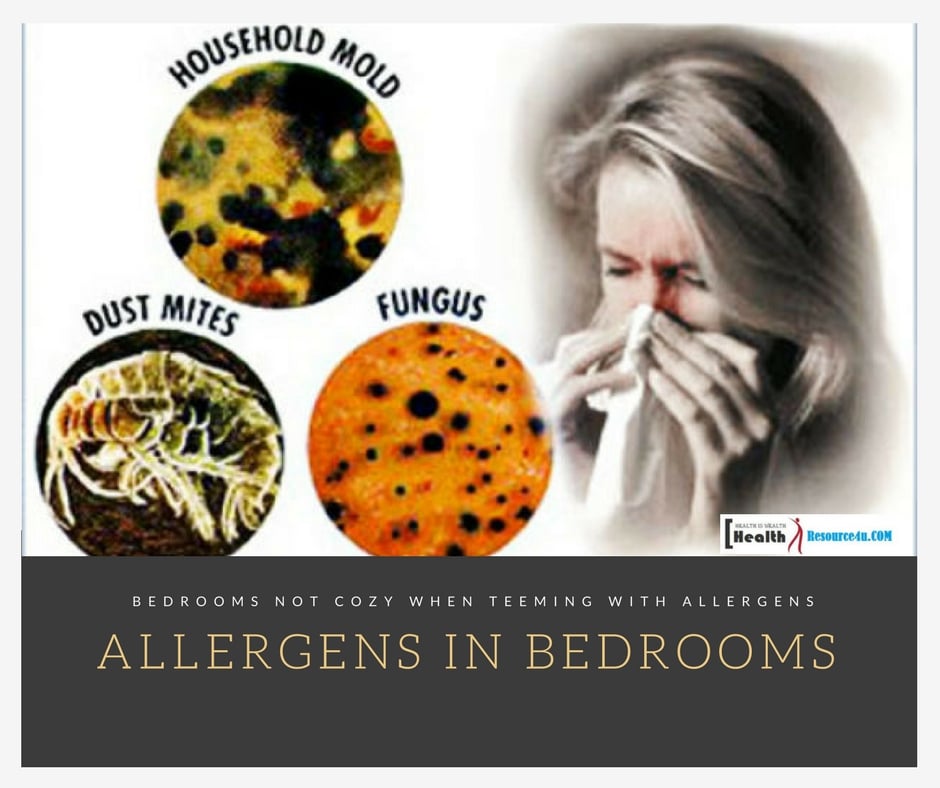
Allergies can be one of the most disruptive disorders to develop. Suffering from allergies is especially a pain when you are trying to relax and sleep in the comfort of your bedroom. Sadly, creating an allergy-free safe zone is something people are not very aware of. Allergens do not only exist outdoors. They can also fill your home with health hazards galore. A lot of symptoms can result from allergies including headaches, stuffy nose, irritation in the throat and cough or itchy eyes. Bedroom allergies are annoyingly uncomfortable and can disrupt and wreck your chances of a good night’s rest. They further pose a danger to those suffering from asthma or any other respiratory disorder. There are ways to combat these allergens and get your life back. But before you embark on a detox spree, here’s what you need to know about bedroom allergens.
Types of Allergens
Before ridding yourself of any allergy, you need to understand what is being dealt with. Five common types of allergens you need to watch out for, that impact your bedroom’s allergy causing capabilities are as follows.
#1 Mold Spores
These are ideally found in dark and damp places. This includes closets, bathroom cabinets, window moldings and more. The airborne allergen creates numerous symptoms if not dealt with effectively. Mold growth must be combatted if you want to lead a healthy life.
#2 Dust Mites
These are small micro-organisms found in a lot of bedding, mattress, cushions, pillows, upholstery and stuffed toys. Sounds like an ideal place for dust mites would be your bedroom! The small microbes can have serious consequences for your health, much like mold and they must be combatted at early stages of growth.
#3 Animal Dander

This includes proteins from the refuse or fur or skin of your pet dog. It can stick just about anywhere from the carpet to the bedding. Pet dander tends to stay airborne and can float across the room for a long time before settling down. This can be a serious problem for those who want an allergen-free bedroom.
#4 Roaches
A cockroach is just about the most allergy-inducing pest found in modern households. Some people suffer allergic reactions and as the insects can adapt to an environment, they can even invade your bedroom.
#5 Pollens
Pollen is a common allergen that impacts during the fall and spring seasons. Most people are not aware that pollen can float into the bedroom through not just open windows and doors, but also your air system. So, whether you have an air conditioner or a central heating system on, pollen can get through this as well. It can also be carried on clothing or animal furs.
Ways To Be Rid of Allergens
Plan your strategy and use this awesome tips to fight back. Reducing and eliminating allergens from your bedroom is easy to achieve with these simple steps:
#1 Bedding That is Allergy Resistant

As most of your time is spent in the bedroom at night, it makes a lot of sense to change to organic, hypoallergenic beddings and mattresses. These small changes can make a big difference to the number of allergens in your bedroom. Try dust mite covers, with a barrier of around 6 microns in size. This prevents your bedding from turning into a warm, moist environment for harboring these critters. Another big plus for your bedroom is hypoallergenic pillows. While some pillows may suffer mold and mildew on account of sweat and moisture accumulating over time, you need to choose a pillow stuffed with cotton or a washable alternative for this. Dust mite covers need to be used on the pillow as well.
Allergens can easily attach themselves to duvet covers, pillowcases, bedsheets and more. This makes it important to purchase hypoallergenic versions of bedding and mattresses. Bedding needs to be washed in hot water. US National Institute for allergies and infectious diseases has stated that people should wash sheets in temperatures of more than 130 degrees to kill dust mites. Machine washable comforters and blankets are advisable, Opt for silk, pure wool, and hypoallergenic down.
#2 Air Purifier to Cleanse Your Room
Whatever irritating contaminants there may be in your room, air purifiers can rid the room of particles, fumes, and allergens that may be exacerbating your health conditions. Air purifiers also improve the overall quality of indoor air, making the bedroom perfect. Different types of air purifiers are there for purchase. Choose one that utilizes a HEPA filter, trapping 99.97% of particulates of point three or more microns.
#3 Humidity Levels Must be Healthy
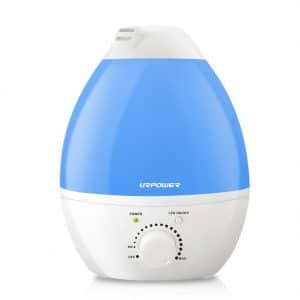
Maintaining humidity levels at home that are optimal is important and this includes your bedroom. Wherever there is dry air in your bedroom, it causes allergy and irritates the ears, nose, and throat. Air that is moist, on the other hand, can lead to mold and mildew growth. Healthy humidity is between thirty and fifty percent. Various appliances can help you to maintain the optimal humidity level in your bedroom.
Humidifying and dehumidifying agents can change the humidity levels in the air. Going one step further, you need to purchase air cleansers that maintain the right humidity levels. Maintaining the right amount of relative humidity is therefore important.
#4 Clean Homes= Better Health Outcomes
Dust mites can really damage your home. One way to eliminate this is to keep your room clean. Your bedroom should be free of food or any other edible items. Vacuuming often with an attached HEPA filtration ensures air is purified and clean. Dust the furniture with damp clothing or electrostatic ones to pick up dust rather than brushing it away. Vacuum furniture and clean upholstery on a regular basis. This is important especially if you have pets in the house. Choose a tiled or hardwood floor rather than carpets to prevent allergens from gathering in your bedroom. Non-toxic cleaners can work well too. This includes baking soda, lemon, and vinegar.
#5 Avoid Clutter

Get rid of allergy symptoms by getting rid of all that clutter. Clear off extra pillows, storage bins, magazine stacks, stuffed toys and extra blankets. Cut down on the extras and don’t decorate your room with toxic materials. Instead, opt for hypoallergenic materials that add style and value to your room. Another welcome addition to your bedroom is houseplants with good air filtration if you lack mold allergies. Don’t choose cumbersome curtains. Opt for filters and blinds instead.
#6 Wash Up
Never go to bed in your sweatpants! The most important part of keeping your bedroom allergy free is to avoid sweat and grime. Always shower before your sleep and ensure that your bed remains clean. Your bedroom is your haven, don’t let it become one for the allergens too!