

Headache: Definition
Many people get headaches and some of these include those suffering from migraines. A headache can be a sign of a serious medical condition and you need to see a headache specialist to get the right treatment. Defined as pain arising from the head or upper neck, originating from tissues and structure that surround the skull or brain, headaches can range from mild to intense and intermittent.The pain can also be a dull or sharp one, with throbbing or constant nature. As the brain lacks nerves to give rise to pain, thin tissue surrounding the bone and muscles encasing the eyes, ears, sinuses, skill and covering the brain and spinal cord surface, called periosteum and meninges respectively can suffer inflammation due to various causes and lead to headaches.
Classification of Headaches
According to the International Headache Society, there are many types of headaches besides a mighty migraine. The three major classifications of headaches are based on the source of the pain:
- Cranial neuralgias, facial pain and more
- Secondary headaches
- Primary headaches
Primary Headaches
This category includes migraines, tension headaches, and cluster headaches. Other less common kinds of head pain are also categorized under this. The most common type of a primary headache is tension headaches. A tension headache is more common among women, and 1 in 20 in developed nations suffer from this condition according to WHO. The second most common type of a primary headache is a migraine. It affects adults as well as children. Both boys and girls are equally affected by a migraine initially, but more women than men are affected after that. Cluster headaches are rare, and affect makes in their 20s mostly.
Primary headaches impact the quality of living and can be extremely debilitating. These headaches are not dangerous, but they can be linked with symptoms replicating strokes. So what distinguishes a migraine from other headaches? It is not the amount of pain, contrary to popular opinion.
Secondary Headaches
These are the result of structural factors affecting either the head or the start of the neck area. Ranging from dental headaches to sinus, secondary headaches can also be life-threatening such as bleeding in the brain or infections such as meningitis and encephalitis. From post-concussion headaches to traumatic ones, secondary headaches cover a broad range. These include medication overuse and hangover headaches as well. The latter are caused by intake of alcohol and accompanying dehydration.
Cranial Neuralgias, Facial Pains, and Other Headaches
Neuralgia stands for nerve pain. A cranial type involves inflammation of one of 12 cranial nerves emanating from the brain controlling the muscles and carrying sensory signals. Most common type of a headache is trigeminal neuralgia affecting cranial nerve V, a trigeminal nerve. This sensory nerve carries signals to the face and can result in intense pain following irritation or inflammation.
Kinds of Headaches: From Migraine to Tension
Migraine
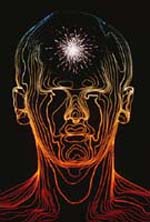
A migraine refers to a throbbing and reoccurring headache that impacts one side of the head. It also has other symptoms associated with it such as nausea, vomiting, light sensitivity and disturbed vision. Migraines can be from as little as 4 hours to as long as three days. However, the frequency varies across persons. This is a neurological condition, and it is one of the most disabling conditions lasting through life.
While other headaches are pain signals in the head which can be treated by OTC drugs and medication, and result from fatigue to stress, a migraine’s exact reason is not known. Some scientists hold that it is the result of abnormal brain functioning. Migraine patients range from the 20s to 40s in age, and 80 percent of all migraine sufferers are females. A genetic factor has also been noted with migraines occurring across families.
The symptoms of a migraine are quite distinct. Deep and throbbing pain behind or close to the eye on one side of the head is the chief symptom. This is different from tension headaches which are more generalized and occur around the neck or the head. Migraines cause bright sensitivity to light and noise. A migraine patient is also sensitive to strong smells. Other factors that are involved include nausea and vomiting. An upset stomach is also associated with migraines but no so with tension headaches.
A visual aura can also occur before a migraine commences. It varies depending on the history of migraines in the patient. Auras can range from loss of speech to sensations in arms and legs or loss of vision. Triggers for a migraine include certain beverages and foods as well as strong smells , overexertion, and disturbed sleep. Foods known to trigger migraines range from dairy to chocolate and processed foods as well as nitrate-rich meats.Other triggers include caffeine, smoking, and alcohol.
Migraine Headache With Aura

Warning signals include visual disturbances or numbness in arms or legs. The symptoms subside within half an hour and severe pain results. There is a genetic factor, but emotional stress, too much hunger, altitude changes, lights and certain foods and hormones can trigger it.
This type of a migraine is treated using biofeedback, ergotamine, dihydroergotamine and 5HT agonists. Also effective are combination products with caffeine, analgesics or medication which constrict blood vessels, ice packs, and mucate. Prevention can be through anticonvulsants such as divalproex sodium and beta-blockers like timolol.
Migraine without Aura
This is a one-sided throbbing pain without the aura but with all the other symptoms. Treatment and management of the condition as well as causes are the same as a migraine with aura.
Allergy Headache
This type of a headache is characterized by symptoms such as general pain, eyes that water and nasal blockage. The factors causing this headache include seasonal allergies. This includes pollen, dust mites, and mold. Though the condition cannot be prevented, antihistamine medication such as topical, nasal and cortisone-related sprays or injections for desensitizing the patient might be effective.
Aneurysms
This kind of a headache is dangerous and life threatening. A frequent migraine or cluster headaches can be similar in symptoms. But this is where the difference ends. Weakness or bulging blood vessel walls can cause rupture or stroke and permit blood to leak out causing pain, rigidity in the neck and double vision. This condition can cause a person to lose consciousness eventually. Precipitating stimuli include excessive hypertension. A tendency for this condition is also present from birth in some people. You need to watch out for raise in blood pressure to prevent this condition. An aneurysm also requires surgical treatment if detected in time.
This condition can cause a person to lose consciousness eventually. Precipitating stimuli include excessive hypertension. A tendency for this condition is also present from birth in some people. You need to watch out for raise in blood pressure to prevent this condition. An aneurysm also requires surgical treatment if detected in time.
Arthritis Headache
This is a headache which comes from the back of the head or neck and worsens with movement. It is caused by inflammation of the blood vessels in the head or bony changes in the neck structure. The mechanisms behind the causes are poorly understood, and treatment chiefly comprises anti- inflammatory drugs and muscle relaxants.
Caffeine Withdrawal Headaches
Rebound dilating of the blood vessel causes the spasmodic pain associated with this headache. It generally occurs after consumption of large caffeine quantities. The precipitating factor is caffeine and termination of coffee consumption is the only way to completely cure the condition.
Chronic Daily Headache
This is a wide category of headache disorders occurring within 15 days in a month. The duration of a headache can either be for more or less than four hours. From a transformed migraine to episodic tension headaches, medication overuse to other factors, the headache can be treated depending on the cause. Treatment is based on diagnosis which chiefly centers around duration and number of headaches per month. Patients with CHD are advised not to use analgesics too much.
Cluster Headache
A cluster headache is associated with pain in the points near the eye. This can be caused by nasal blockage and tearing of the eye as well as face flushes. Pain may occur while the patient is sleeping. It can last for several hours in days or weeks or even month long. It can then disappear for nearly a year. 80 percent of the cluster patients are men aged 20 to 50.
The reason for this may lie in the causes such as alcoholic beverage overconsumption or too much smoking. Treatment includes application intra-nasally of anesthetic agents that are localized. Other treatments involve oxygen, sumatriptan and ergotamine. To prevent this condition, patients are advised to use a steroid medication, calcium channel blockers, lithium, and ergotamine.
Depression Related Headaches

Depression causes painful organic conditions such as headaches too. A headache in such a condition originates from emotional, psychological and physical causes. Treatment of depression is gradual, and diagnosis can often be missed. Depression is a condition causing the headache and must, therefore, be treated. Doctors prescribe tricyclic antidepressants, SSRIs or MAO medication to treat depression linked headache.
Eyestrain Headaches
This type of a headache is characterized by frontal, two-sided pain associated with eyestrain. Astigmatism, myopia or hypermetropia, and muscular imbalance are directly related to eyestrain headaches.
Exertion Headache
This is a type of a headache caused by short durations of physical exertion or passive form of exertions. Causes of exertion headaches include organic diseases or even migraines and cluster headaches. Causes need to be accurately assessed, and treatment includes aspirins, propranolol, and indomethacin. Surgery may be needed for correcting the organic condition. Avoid jarring exercises or physical overexertion to undo this headache.
Fever Headaches
A generalized headache is a cause and a symptom associated with fever, resulting from the blood vessels swelling in the head. The fever- linked headache is caused by swelling of blood vessels in the head due to infections. Treatment ranges from aspirin and antibiotics to NSAIDs
Hangover Headaches
These are somewhat similar to migraines in terms of pain, nausea and symptomatology. However, the pain is not concentrated on one side of the head, like a migraine. What causes the hangover? Excessive alcohol consumption leads to dilation and irritation of the blood vessels in the tissue and the brain. Treatment for this involved liquid foods, consumption of fructose( good sources of this include honey and tomatoes) and drinking lesser amounts of alcohol.
Hunger Headaches
This is a type of a headache resulting from low glucose sugar and muscle tension as a result of rebound dilating of blood vessels. It can also be the result of excessive sleep or extreme hunger resulting from cutting down on meals. Whether you are involved in strenuous dieting or missing meals, the effect of this headache can be severe. Make sure you eat regular and balanced meals to avoid trouble.
Hypertension Headache
This generalized or hairband type of pain is severe at the start of the day. It diminishes as the day passes. Severe blood pressure is the cause of this headache which measures 200 systolic by 110 diastolic. You need beta blockers and blood pressure medication to keep the condition under control.
Menstrual Headaches
This migraine-type head pain may occur at any point during the menstruation or ovulation. Differences in estrogen levels can be treated using hormone therapy and biofeedback. Prevention involves the use of NSAIDs, calcium blockers, and anticonvulsants.
Post-Trauma Headache
Local or general pain can result from a migraine or tension-type headache symptom, but the cause is entirely different. Such headaches can occur after minor or major trauma to the head and are resistant to treatment. Anti-inflammatory drugs and biofeedback are treatment options.
Rebound Headaches
These are caused by chronic use of medication and regularly taking pain relievers like Tylenol, aspirin or ibuprofen more than two times in a week or taking migraine drugs for more than 10 days per month can increase the risk of such headaches. The best treatment is to cease the use of the drugs, and medical supervision is also essential.
Sinus Headaches
A sinus headache is caused by blockage of sinus ducts, and this causes normal drainage to be impacted. These types of headaches are rare, and migraine and cluster headaches are sometimes mistaken for these. Pain is over the nasal area caused by fever induced infection. The pain is felt in the bridge, forehead or cheekbones of the nose and can occur when the cavities in the head known as sinuses suffer inflammation. Pain accompanies other symptoms such as facial swelling, runny nose, and fever. From nasal polyps to anatomical deformities such as deviated septums, the causes of a sinus headache are diverse. Surgical drainage may be needed. Antibiotics, as well as decongestants, may be needed as well.
Temporal Arteritis
This is a pain which burns, or bores into you caused by inflamed temporal arteries. Painful sensations result while chewing and other symptoms include weight loss and eyesight issues. This disorder rarely affects those under 50. Though the cause is not known, it is generally the result of immune disorders and steroids are given once the condition is detected using biopsy.
Dental Headache
This is a dental condition triggering headaches or face pain. It is caused by bruxism and temporomandibular joint dysfunction. While bruxism is the result of teeth grinding during sleep, the other dysfunction affects the joints connecting the jaw and the skull. From bad jaw alignment to stress and tension, poor posture or arthritis, TMJ can be caused by a plethora of conditions. Dentists can diagnose a variety of conditions and treatment includes cold or hot compress, bite guards and stress reduction.
TMJ can be caused by bad jaw alignment, stress, poor posture (like sitting at a computer all day), or arthritis, which affect the cartilage, muscles, or ligaments in the jaw.
Your dentist can help diagnose these types of headaches, and treatment includes stretching the jaw, hot or cold packs, stress reduction, and bite guards. TMJ headaches cause a pain of a muscle contraction type accompanied by a clicking of the jaw. It leads to headaches and results from stress and jaw clenching. Relaxation and biofeedback are also effective forms of treatment.
Mixed Headache Syndrome
This is also a transformed migraine which mixes a migraine with tension headaches. People of all ages are prone to it.
Tic Douloureux Headache
This is a short jabbing pain in areas around the mouth or the jaw of the face. The duration of pain and the number of times it occurs varies. This is a neurological disease more common in women after 55. Causes range from chewing to exposure to cool air and touching the face. Multiple sclerosis patients can also suffer from these headaches which are treatable through neurosurgery, muscle relaxation, and anticonvulsants.
Tumour Headache
As the pain worsens, this headache is accompanied by puking, disturbances in speech or personality, problems with coordination or gait and more. It is a rare condition, and its cause is relatively unknown. it can be treated with surgery and radiotherapy.
Chronic Progressive Headaches
This is also known as a traction or an inflammatory headache. It can become worse over time and constitute 5% of the headaches in adults and less than 2% in kids. They can also result from illness or disorder of the skull or brain.
Early Morning Headache
This is caused by medication or a migraine. Sleep apnea can also be the result, and it could be a symptom of a tumor.
Brain Freeze Headache

This is a shooting head pain that can result while enjoying an icy treat or drinking ice cold water on a hot day. Those with migraines are prone to them as well. Medically called sphenopalatine ganglion neuralgia, they are caused by a cold sensation on the mouth of the roof, leading to an increase in the blood flow to one of the brain’s arteries.
Emergency Headaches
Sometimes, headaches can be explosive indications of a serious underlying medical condition. A headache, when accompanied by fever or in response to trauma or rise in blood pressure and linked to loss of sensation or dizziness needs to be checked by the doctor.
Headaches are wide and varied, with a multitude of causes. Contrary to popular perception, the migraine is not the only serious headache requiring treatment out there. Depending on the cause and symptoms, a treatment course can be charted out.