
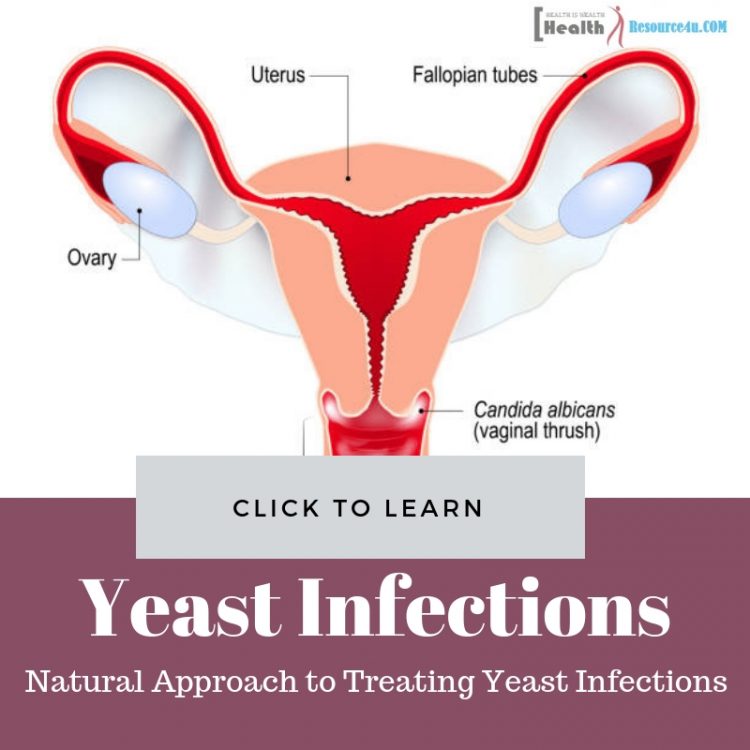
Yeast infection is one of the most common types of infection caused by a fungus naming Candida albicans which has the capacity to extend with time. As per the Centers for Diseases and Prevention (CDC) record approx. more than 75% of women around the world have faced vaginal yeast infection at a certain point in their life. However, with some natural approach to treating a yeast infection, it can be relieved fully.
It doesn’t always grow in critical form. In the initial stage it remains very mild and even sometimes the affected woman don’t even aware of its existence in the lack of any noticeable symptom. Still, when it develops with time it starts showing multiple types of symptoms that either may exist in one or more than one symptom in a person.
Though it can be relieved after proper care and with some effective natural measures still chances of recurrence exists in the woman who has developed the vaginal yeast infection at the certain point of her life called as Recurrent Vulvovaginal Candidiasis, where special medical attention is required to get rid of it completely.
11 Effective Natural Approach to Treat Yeast Infection
 Not all yeasts existing in our body are bad; some of them are good too that helps in improving our health condition in several ways. However, some selected one that breeds in multiple quantities can cause harm and effect to existing good bacteria and fungus in the body.
Candida is one type of fungus that grows and develops in genital areas as it remains moist means a favorable place to survive for this harmful yeast. Surprisingly this vaginal yeast infection can be treated at home only with the use of some essential oils, probiotics, supplements and with a healthy diet. Below are some most effective natural remedies to treat this health condition naturally.
Stay Hygienic

Take care of sanitary by maintaining proper hygiene of your vaginal area. Make sure that the undergarments that you are wearing is clean and of cotton made and breathable fabric so that the vaginal area don’t get moist, to make a favorable place for yeast growth.
Clean your vagina with natural soap especially which is free of artificial fragrance and color for ensuring complete safety and hygiene of the genital zone. Don’t wear any undergarment which is too much fitting or wet as it can give a boost to the growth of yeast infection especially if you have already developed this infection at a certain time in the past.
If you like swimming then make sure you are not wearing any dirty cloth. Also don’t stay in a wet bathing suit for a very long time as this can cause infection to spread faster. Wash your body and genital area with clean water after getting out of the swimming pool.
Drink Plenty Amount of Water

When talking about natural remedies for treating yeast infection water is one of the most effective and easily available sources that you can easily apply in your regular life. Drinking plenty amount of water keeps your body toxins free as it gets flushed out through the urine.
Sugar on which these yeasts are feed get removed through the urination process that means no tension of growth and survival of this type of fungus that causes yeast infection in the vagina when you drinking enough water.
Drink at least 9 oz. water or more than that to keep your body clean and toxins free. Also, take care of the quality of water that you are using for the drinking purpose. Always use filtered water which remains free of bacteria and germs and well purified for getting optimum benefit.
Probiotic Supplement
Probiotic supplements are another natural solution for treating a yeast infection in the vagina. These supplements are specially manufactured considering the women’s reproductive system health. It helps to restore the proper balance of bacteria and yeast in the vagina for its good health.
Some of these probiotic supplements are taken as a pill and some of them are needed to be inserted in the vagina. It works very faster on removing the fungus causing yeast infection by neutralizing their effect. Also, it enhances the capability of antifungal medications when it is taken side by side of these prescribed medications by the doctors.
It is seen in several chronic cases of vaginal yeast infection that the use of these supplement probiotics, especially which are inserted directly in vaginal capable in relieving the worse condition of infection and helps in faster recovery. Also, it can be taken on a weekly basis (one pill/week) as a preventive measure so that it won’t recur in future.
Probiotic supplements can easily be available in any medical store or can be ordered online too from any online shopping website.
Apply Tea Tree Oil
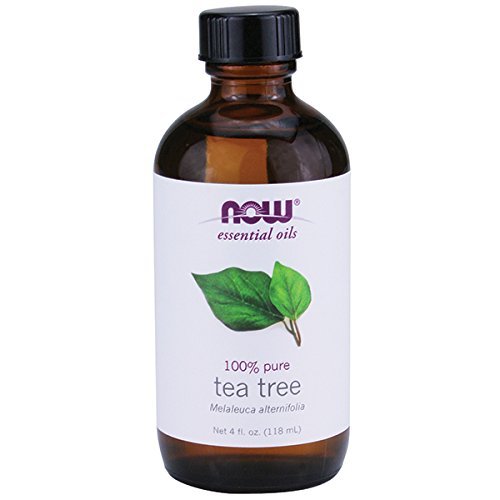
Tea tree oil is an effective essential oil which can kill harmful yeast and fungus as it is rich with the antifungal properties. Researches have shown that it works very fast on killing the fungus Candida which is the primary fungus for causing the vaginal yeast infection.
Vaginal suppositories which consist of tea tree oil are found much more effective in relieving the yeast infection. As it an essential oil so direct usage is not safe otherwise it can even trigger a side effect like irritation etc.
For the safety concern, it should be applied after mixing with any carrier oil such as coconut oil, almond oil etc. on the tampon over the night. Also, the tampon should be changed on every next day for hygiene. Only the diluted form of tea tree oil should be used on genital area as this portion is very much sensitive than other parts of the body.
Also, it is suggested to apply this oil first on some other body part like on armpit for at least 12 to 24 hours to see any reaction is arising due to its use or not. If it is not causing any reaction then you can apply it on your genitals. It can increase the functionality of antifungal drugs if both of them are used at the same time for treating yeast infection.
Boric Acid
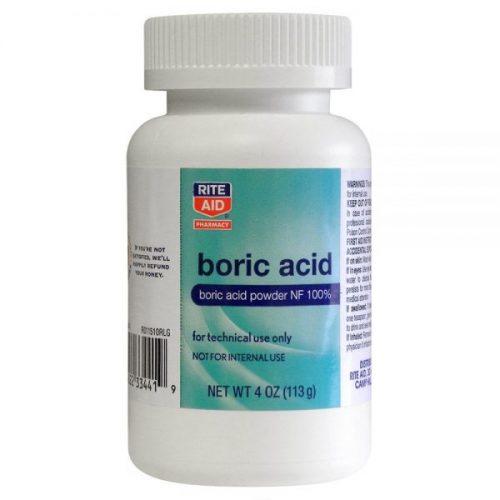
Boric acid vaginal suppository capsules are effective on yeast infection caused by non-albicans species. It is primarily prescribed in the cases where recurrence of yeast infection is either four or more than that in a year means in the chronic form of vaginal infection.
Another study has proved that it increases the effectiveness of antifungal flucytosine when both of them are applied together. As per the Centers for Diseases and Prevention (CDC), a 600 mg of the topical boric acid capsule is suitable to be inserted in the vagina for treating the fungal infections.
However, it should not be used without a doctor’s prescription as it can cause some side effects like vaginal burning especially when it is swallowed. Also, it is harmful to pregnant women so they are restricted to use it. Apart from treating the yeast infection, it is also effective for treating C. glabrata infection found in a diabetic woman.
Apple Cider Vinegar
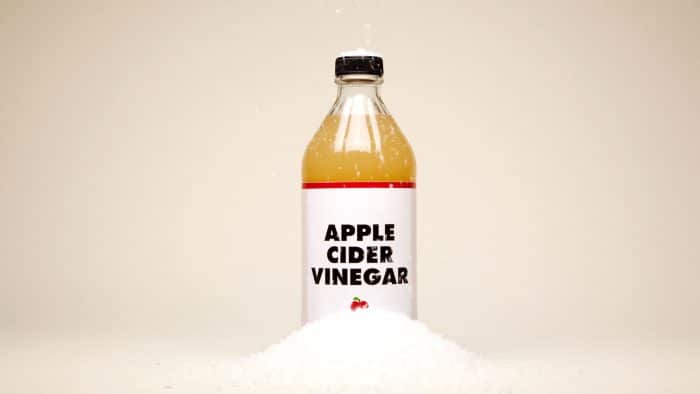
Apple Cider Vinegar is now medically proved to be rich with multiple health benefits which are suggested in several health conditions for treating them naturally. Its acidic content makes it effective in killing harmful bacteria and fungus.
As it is very strong by nature so should not be applied directly on skin otherwise it can cause severe burn which is one more added health deficit for you. So for the safe and effective use apply one cup of apple cider vinegar into lukewarm water of a bathing tub. Let it soak for at least twenty minutes and then take this healthy bath.
It will wash off all the infection causing fungus and relive you from its symptoms. It is effective in treating yeast infection but its effects are for the short term not for long lasting. So you have to depend on other measures too for getting rid of the vaginal yeast infection completely.
Garlic Use
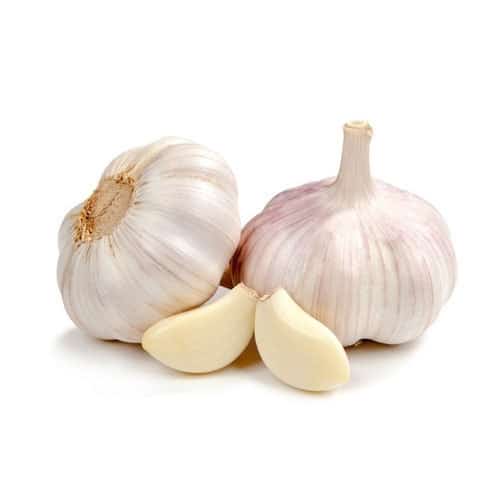
Garlic is an easily available home remedy for treating vaginal yeast infection as its antibiotic property work very fast in removing yeast from the vagina that causes infection. You can apply a garlic tab. directly inside the vagina for instant relief. Also, it can be reapplied as per the requirement.
Garlic is a popular spice that increases the taste of food but along with that, it is also rich with multiple health benefits especially the raw garlic clove. You can have garlic clove directly with water for getting relief from the symptoms of vaginal infection, for controlling your high blood pressure and high cholesterol level.
Coconut Oil
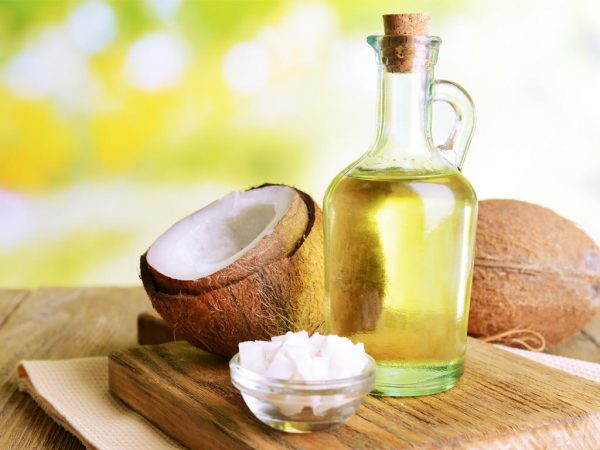
Coconut oil is another easily available home remedy which is cost-effective too for getting rid of vaginal yeast infection naturally. Its antifungal property works very effectively to combat the infection caused by Candia Albicans fungus.
Always use the raw organic coconut oil as it remains more effective as well as it will be safe for applying both internally as well as externally. Also, warm coconut oil when mixed with other essential oils like oregano oil, tea tree oil etc. then it increases their effectiveness on removing harmful yeasts.
Oregano Oil
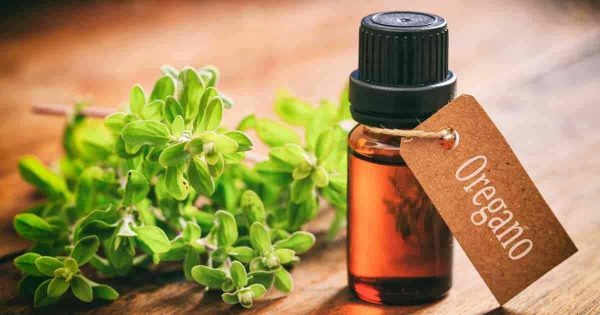
Oregano oil is an essential oil which contains the antifungal power that helps to inhibit the C. albicans yeast to relieve the vaginal yeast infection health issue. Oregano oil made from normal oregano or origanum marjoram is not very effective as it doesn’t carry any special feature.
However oregano oil produced from the wild oregano, Origanum vulgare is found very effective in treating such kind of vaginal infections as it remains rich two primary antifungal properties such as carvacrol and thymol.
As it is an essential oil so direct use on skin is not safe otherwise it can develop some side effects. So for its complete benefit along with total safety, it should be used mixing with some carrier oil such as warm coconut oil, olive oil, and almond oil. These oils will enhance its effectiveness.
Capsules that are rich in oregano oil also remain effective in relieving vaginal yeast infection. A tampon that is been used for vaginal insertion first be soaked properly in the oregano oil and a carrier oil, then only it should be inserted. Always change tampon after 3 to 4 hours for ensuring hygiene during the daytime.
If a medicated tampon is been used by any user then it must not be left longer than six hours. Before the use of oregano oil in the vagina it should be first use on any other body part such as forearm etc. to check out the allergy and sensitivity. If no issue occurs then and only this oil should be used for treating yeast infection.
Plain Yogurt
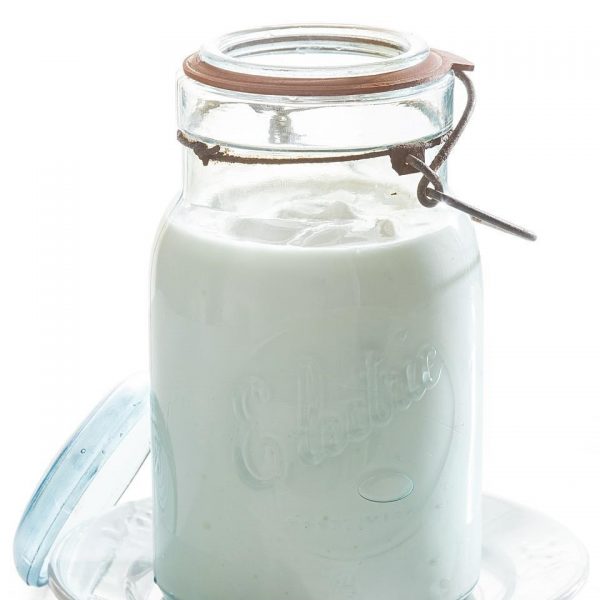
Yogurt comes in the category of probiotic as it carries live bacteria naming Lactobacillus acidophilus which is known to be effective in keeping the healthy vaginal environment. It reduces the growth of Candida fungus which is responsible for the yeast infection.
While using yogurt as a home remedy for relieving this infection make sure that you are always using plain yogurt not any sugar mixed yogurt as sugar feeds to this fungus so instead of relieving your condition a sugar added yogurt will worsen your condition.
A plain, unflavored and unsweetened yogurt can be applied directly on the vulva an area around the vagina or can be inserted too inside the vagina to restore the normal balance of bacteria and yeast for good vaginal health. Also eating direct plain yogurt is also beneficial to combat the yeasts causing vaginal infection.
Vitamin C
Vitamin C is known for improving human’s immunity power which is important as it is the natural defense power of body that keep it safe from regular and common health problems. When you take Vitamin C rich tablet suppository it combats the growth of Candida and helps you to overcome this vaginal infection.
Apart from inserting Vitamin C tablet in the vagina, you can also increase your Vitamin C rich diet intake as that will also help you equally as well as more safely. Vitamin C rich diet will boost your immunity power and reduces the overgrowth of Candida means relief from recurrence vaginal yeast infection issue.
All the natural approach to treat yeast infection mentioned here are equally effective and reliable. However, you can try one and alternate for the best possible result and fast relief from vaginal yeast infection problem. If the infection is very recurrent and not getting relieved through natural remedies then go for the medical check-up without further delay.
[expand title=”View Article Sources“]
- https://draxe.com/vaginal-yeast-infection/
- https://www.disabled-world.com/health/dermatology/yeast-infection.php
- https://www.medicalnewstoday.com/articles/317935.php
[/expand]