
From the Pyramid to the Plate
Table of Contents
A balanced diet is vital to meet the healthy and disease-free life for everyone. But few people know that the healthy food pyramid is undergoing a paradigm change. What is the basis for this paradigm shift? Well, the symbol for healthy eating is now the plate. The USDA/ US Department of Agriculture Choose My Plate campaign changes a lot, but the basics remain pretty much the same when it comes to eating healthy. Healthy eating still involves eating the right kinds of foods and getting the nutrients that are necessary for losing excess body weight and building strong, healthy muscles.
So what does the new plate look like? Well, it contains proteins, grains, veggies, and fruits in distinct sections. Dairy is represented outside the plate. From healthy fats to low glycemic carbs, fruits and vegetables, there are many aspects to healthy eating than previously thought.
The largest group on the food pyramid comprises cereals, pasta, and rice. But in a direct reversal of this, the food plate holds that simple carb based bread and pasta is not what is required. Whole grains are needed for a healthy lifestyle as they are rich in complex carbs. What is the benefit of these? Well, for one, they won’t spike the blood glucose level. Complex carbs should, therefore, be the largest part of daily food consumption.
Using the Plate
The Healthy Eating plate has been created by Harvard nutrition experts for addressing eating deficiencies and making the best nutrition choices. For a healthy and balanced meal, whether it is on a plate or in your fridge, involves using the plate. What is the food mantra provided by the Healthy Plate concept?
#1 Make A Meal Out of Fruits and Veggies

A majority of your meal (nearly half your plate) needs to comprise vegetables and fruits. The aim should be to opt for color plus variety and bear in mind that starch-rich foods such as potatoes don’t count because of their low effect on blood glucose.
#2 Opt for Whole Grained Items Too
At least 1/4th of the plate needs to comprise whole grained foods. These include the following:
- Barley
- Wheat berries
- Oats
- Brown Rice
- Whole wheat
- Quinoa
- Wholewheat Pasta
#3 Capture the Power of Protein
Another 1/4th of the plate needs to comprise fish, chickens, beans plus nuts. These are healthy and diverse sources of proteins which can be eaten with salads and served with veggies on your plate. Don’t go in for processed or red meats if you value your health.
#4 Healthy Plant Oils Can Work Wonders
Healthy vegetable oil products such as olive, soy, corn, canola, sunflower, and peanut are the best choice. Don’t go in for trans-fat rich oils which are partly hydrogenated. Low fat does not equal good health necessarily.
#5 Drink A Lot of Fluids
Make sure you drink water, tea, or coffee though. Don’t opt for drinks with high sugar content or too much dairy or milk. Limit your food to 1-2 servings in a day. If you really want to drink juice, consume limited amounts.
#6 Stay Active
Running, jogging or just plain walking– whatever you choose, make sure that your weight is in control and you stay active. Focus on diet quality and choose the carb type which is healthier. What is meant by that? Choose a diet which has complex carbs, veggies, fruits because this is healthier than simple carbs. Avoid sugar-filled beverages, another major source of calories with less nutritional value in your diet. The healthy eating plate also holds that healthy oils are the key to good health and successful weight loss.
#7 Calories Matter, But Volume Matters Even More
The healthy eating plate does not stress on the regulation of calorific intake. Approximate relative proportion or volume of the food is more important. These are not associated with specific calorific amounts and are not meant to be prescribing calorific intake. The individual’s calorie and nutrient intake requirements vary depending on factors such as:
- Gender
- Body Size
- Age
- Level of Activity
Alcohol in moderation is useful and the healthy eating pyramid as well as the plate complement each other when it comes to eating right and (of course) drinking right.
#8 Enjoy Food, Eat Less
Eating healthy should be enjoyable and if you fill the plate just once per meal, the calorie intake will be balanced. If a normal 9-inch plate is used for eating. it is estimated that five to six hundred calories would be consumed in a day. Basic portion control is essential for weight loss.
#9 Switch to Fat-Free/Low Fat Milk
If you like milk, cheese or yogurt, opt for fat-free or low-fat variants. Why is this healthier? Most people don’t need extra saturated fat and calories coming from higher fat milk or dairy products. Skim milk is the best option because it is as nutrient rich as the high-fat version. Choose foods with the lowest amount of fat.
#10 A Low Sodium Diet is Beneficial
Comparing sodium in foods such as bread, frozen meals, and soup is essential. You need to be on a lookout for the excess salt in processed or snacky foods.
The Food Pyramid Versus Plate
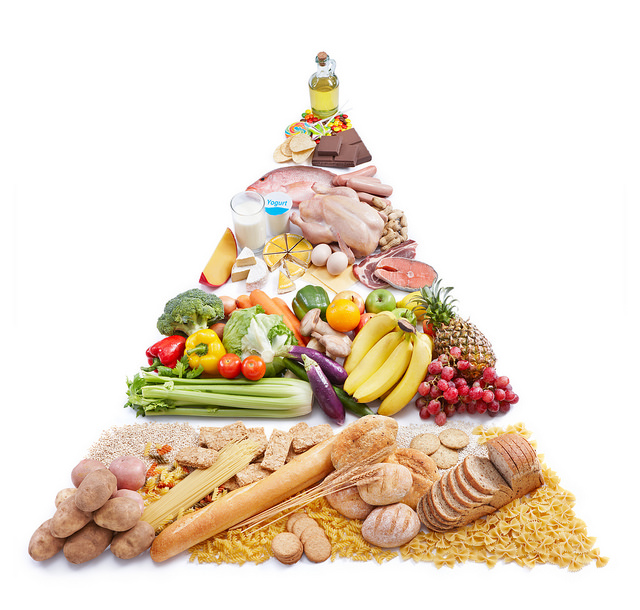
Healthy eating pyramid also meets the needs of a healthy lifestyle namely exercise, vitamin D, weight control and multivitamin supplementation and moderation in alcohol. It was a useful tool for health educationists and professionals. Healthy eating plate and the healthy eating pyramid both reflect changes and a paradigm shift in the way we eat based on research. It was in the 1990s that the USDA postulated the food pyramid. The pyramid was based on initial scientific evidence. But the healthy food plate concept has advanced the connection between dietary habits and health. MyPyramid was replaced by MyPlate– the brainchild of USDA consultants, scientists, experts, and members.
As a complete change in paradigm, the Healthy Eating Plate was proposed by Harvard School of Public Health. Studies have offered evidence of the effect of the healthy food pyramid in preventing disease. A study conducted on 7319 males and females for 19 years found that such people had 25 percent lower risk of dying from any cause and 42 percent lower risk of succumbing to heart disease than people with the lowest scores. Another study conducted found that women following this pyramid’s diet were superior in terms of low-fat foods ingestion, which lowered cardiovascular problems and heart failure risk.
The USDA also moved towards the plate concept rather than the food pyramid and has gone on the record to say that as more US residents are becoming prone to obesity and overweight problems, online tools and resources can empower individuals to make healthier food choices for self, family, and children. The Food Pyramid and the MyPlate concept are twin opposites. The importance of balanced diets reaches back to research carried out in the 19th century.
Original studies commenced with data on carbs, proteins, ash and the energy or fuel value for common foods. In the year 1902, the person behind the research W.O Atwater said the perils of overeating may not be felt immediately, but they are likely to appear at one point or another. This is in the event of excessive fatty tissue, general debility, and disease. The dangers of this cannot be stressed enough. USDA publications in 1916 offered the first food guide. As per this, foods were categorized into 5 groups: meat, milk, cereals, veggies and fruits, fats and sugar/sugary foods.
Across the years, many versions of the guidelines emerged as research indicated the risks and benefits of specific foods and beverages. In 1992, the Food Guide Pyramid was released as an image for a good diet. It stressed foods from 5 major groups: meat, milk, veggie, grains, and fruits. Oils, sweets, and fats were represented at the pyramid top. Each group provides some, but not all nutrients. No one food group is as important as the other. The food pyramid also encompasses the range of servings for different foods. The minimum range anticipated was for nearly everyone, while the maximum is based on calorie needs.
The largest problem with the Pyramid are servings listed under the food groups. Most are not aware of the difference between portions and servings. A serving refers to a guideline/standard measurement unit. This is essential for estimating how much individuals consume. For example, if a sandwich is eaten with two bread slices, this would amount to two servings from the grain group. Each bread piece one is eating constitutes a serving. People would assume they ate one serving, but this would be an error. This means one is allowed 6 sandwiches if bread is the only grains source. This is, of course, not a feasible meal plan, if you overload on any one of the major food groups.
Another critical appraisal of the pyramid was the manner of the listing of the food. Some individuals saw large grain groups on the base and thought it mattered more than veggies or fruits. Others saw the top as more important, and this means including oils, fats, and sweets in the diet. A final criticism of the pyramid is that it does not reveal which whole grains are ideal, and why low-fat meats, dairy, fresh veggies, and fruits or enough H2o and physical activities are a must.
MyPyramid was the icon representing this food pyramid guide. With the system undergoing modification, the goal was a more personalized approach to physical activities and healthy eating. The image now focused on colors at the base of foods groups spread along the pyramid, as the concept evolved, rather than being stacked from the top to the base, A person climbing stairs on the side was further added to stress the importance of physical activity, though the amount of exercise was not specified. MyPyramid was transformed into a government site that gave information on serving sizes, personalization and the amount needed from each food group. The aim was to see the online tool and get educated about nutrition and the right eating habits. This became even more complicated than the original food pyramid concept.
Did MyPlate Have Limitations Too?
For simplifying the goal of a well-balanced and nutritious meal, MyPlate was proposed. The concept of a plate was derived from the dietary guidelines for 2010 and is divided into 4 chief sections: protein, grains, fruits, and veggies. On one side, the dairy products are conceptualized. Along with the plate come 10 awesome tips to a “great plate” based on Dietary Guidelines and offers a lot of tips. This includes balancing the calories, enjoying but eating less food, avoiding oversized portions and eating nutritious foods more often.
Additionally, greater than 50 percent of the plate should comprise fruits and vegetables. Fat-free or low-fat milk is advised. The grains consumed should be at least 50 percent whole-grains in total. The plate analogy for healthy eating also specifies foods to eat less regularly, comparing sodium in food items and advising the need for plain water as opposed to sugar drinks. As we eat on a plate, not a pyramid, this concept makes sense while coming up with what a balanced meal should be. As former First Lady Michelle Obama said, this is essentially a great way to mindful eating and it is extremely helpful for parents.
But the concept of the plate is also not without its limitations. The instructions for eating balanced diets have many people attempting to eat adequate veggies, fruits and whole grains without success. Americans are increasingly exercising less and gaining more weight. MyPlate is a useful first step, but when it comes to combating obesity, there’s a long way to go.
Nutrition is not just about eating something and not eating other things. Educating individuals about nutrition is a time-consuming process and for each person, educational advice regarding foods to eat needs to be personalized, because the food is a very individual topic. It also has a lot of meaning for people. Childhood memories of food, or favorite restaurants for eating form a topic of conversation and inspire individuals to become foodies. How can a simple icon bring about the change needed?
MyPlate may have plenty of benefits, but it is not without its limits. For starters, the MyPlate concept shows various food groups needed in the diet, but these are not required in just one meal. The meal on the plate is definitely poles apart from what people have for breakfast. When one does not have fruit on the plate for lunch or dinner, an even bigger question is how many of us eat our daily quota of veggies?
Another issue with the MyPlate icon is the protein section. As far as nutrition goes, protein is a pretty generic description. Protein is a nutrient, not a food group. For example, meats are only one source of protein. Additionally, protein is found in veggies, dairy, beans, grains, and other items. You need to eat all these foods to get the nutrients your body needs. The nutrients, on the other hand, are proteins, carbs, minerals, fats, vitamin, and water.
Yet another problem is that MyPlate does not exactly specify how to go about motivating yourself to eat nutritious foods. When checking the plate, do you understand which whole grains to take? Research and studies on nutrition have shown whole grains are better for weight and health than refined grains, and the plate lacks this concept. It does not tell which fats are needed and the amount they are needed in. These fats help the health, whether these are mono-unsaturated or poly-unsaturated. There are also other fats like saturated and trans fat which are really dangerous for health. MyPlate cannot ignore these factors, and yet, it does exactly that.
MyPlate may be proposed as a guide for every individual, but this is not the case. There are more people following vegan or vegetarian diets, but this does not always meet needs and requirements. It would have been helpful to have a separate MyPlate icon for these. MyPlate does not offer advice on how to control or lose weight. A lot of calories can be consumed by choice, even when you make a decision as per the recommendations of the MyPlate concept.
For example, you can end up consuming additional calories if the cheese is used instead of skimmed milk in the dairy group. You can also try high-fat meats instead of lean ones and canned fruit in syrup rather than fresh fruits and end up doubling the number of calories you take, increasing the fat and sugar content.
By not even considering sweets, alcohol or fats, MyPlate falls short of the ideal diet plan for an average Joe or Jane. Another problem is the dieting perspective, where everyone assumes the food is either bad or good, rather than just a balanced view. Most aspects are allowed in moderation when considering healthy adults. Not allowing enough flexibility can lead to rigid dieting plans that fall short of realistic goals.
Another problem is that MyPlate comes up with unrealistic assumptions about a healthy balanced diet. By simplifying things, we could end up creating more problems. Most individuals would consider nutrition, if an icon or image is not there, simply because they need to eat right. No amount of icons and plans can make up for inner motivation.
So, the food pyramid build by the USDA more than 20 years ago may be redundant, because of hierarchical concepts and the idea of bread, rice, and pasta making up a bulk of the diet. These guidelines don’t create enough understanding of healthy eating. In the 21st century, the MyPyramid was followed by MyPlate. While these symbols are improvements on the conventional food pyramid, they do not fulfill the requirements for being healthy.
Various nutritional requirements are there for fitness enthusiasts and athletes alike, which MyPyramid and later, MyPlate ignore. While the food pyramid conventionally organized the group into a hierarchy, it also suggested foods such as pieces of bread and rice, without specifying the need for wholewheat bread as opposed to white bread low on nutrients.
From the perspective of fitness, while planning diets, you need to consider goals that have to be achieved. If you are an endurance athlete, for example, you may need more carbs to sustain your stamina and boost your performance. Using the food pyramid to base the diet can help in diverse ways. But if you are a bodybuilder focused on boosting muscle growth, the food pyramid cannot help you. You definitely need nutrients like protein in your diet.
This is why the USDA, in 2005, reworked the traditional food pyramid into MyPyramid. This approach, however, did not provide the details as was the case with previous pyramids. MyPyramid highlighted the need for exercise, but the amount and type again remain sketchy. The intensity and frequency of exercise one want to achieve or develop and improve on can be hard to assess easily. For building a strong core, pilates is recommended. Moderate exercise is essential in a week to stay toned and fit. For those who want to participate in Iron Man triathlons, fitness needs to be taken to a whole new level, and a solid nutritious plan is essential for this.
A year later, the USDA came up with MyPlate. As with its predecessors, MyPlate did not answer all the questions. For example, it does not show which proteins work better. For example, red meat may be rich in protein, but chicken, beans and fish are a better choice because they contain less harmful fats. MyPlate also does not consider problems like sugary, carbonated drinks and junk food which are some of the leading reasons why obesity is rampant.
Weight Loss and the Pyramid-Plate Difference
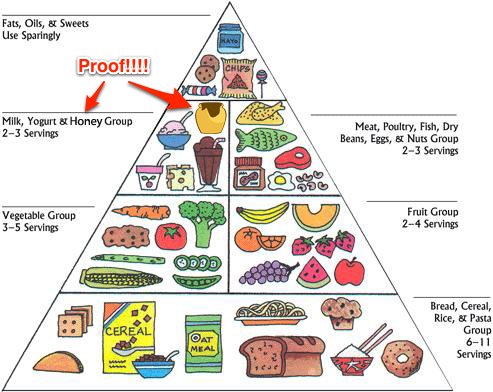
For weight loss, there is a world of difference in terms of what the Healthy Eating Pyramid and the Healthy Eating Plate espouse. Read on to know more.
#1 Less Emphasis on the Grain
The food pyramid was associated with a lot of grains, which filled the largest spot towards the bottom of the pyramid. The plate version, on the other hand, reserves only one quadrant for grains and the emphasis is on whole grains. The stress is not on fruits and veggies in the food pyramid. The plate concept, stresses that half of the plate should be filled with fruits and veggies– this is more than any other food group. Nutrition experts see this as a major improvement since most people fall short of getting at least five to nine servings of fruits and vegetables each day.
#2 Fats, Oils, and Sugars are Out
While these appeared on the older pyramid, shown in small quantities with the aim to eat these in smaller portions, these don’t come into play on the plate at all, when it comes to weight loss. Not all fats are created equally and dietary fat optimizes health. Foods included in the plate may contain fat, but this is not mentioned as part of the healthy diet.
#3 Lack of Serving Sizes
The food pyramid created awareness about the servings of foods to be consumed each day, such as 6 to 11 servings of grains. No mention was made of how many servings of a particular food group must be taken in the plate. The assumption is that if one eats off a normal sized plate and the food is not taken in enormous proportions, you should be fine as far as weight loss or weight management is concerned. The US government site even lets users access individualized eating plates. What is the idea behind that? Quite simply, the servings and nutrients depend on the individualized need of each person and this is what makes a difference
#4 Where is the Protein?
Protein is the nutrient present in various food groups, not the actual food group. Fruits, vegetables, grains, and milk are represented yet protein, which is a nutrient seems out of place in the food plate as opposed to the pyramid. Critics say protein is already found on foods listed such as grains and milk. This can cause a confusion. But then, the fact should be remembered that protein also includes plant-based proteins and not just meat. These are an important part of the diet.
Conclusion
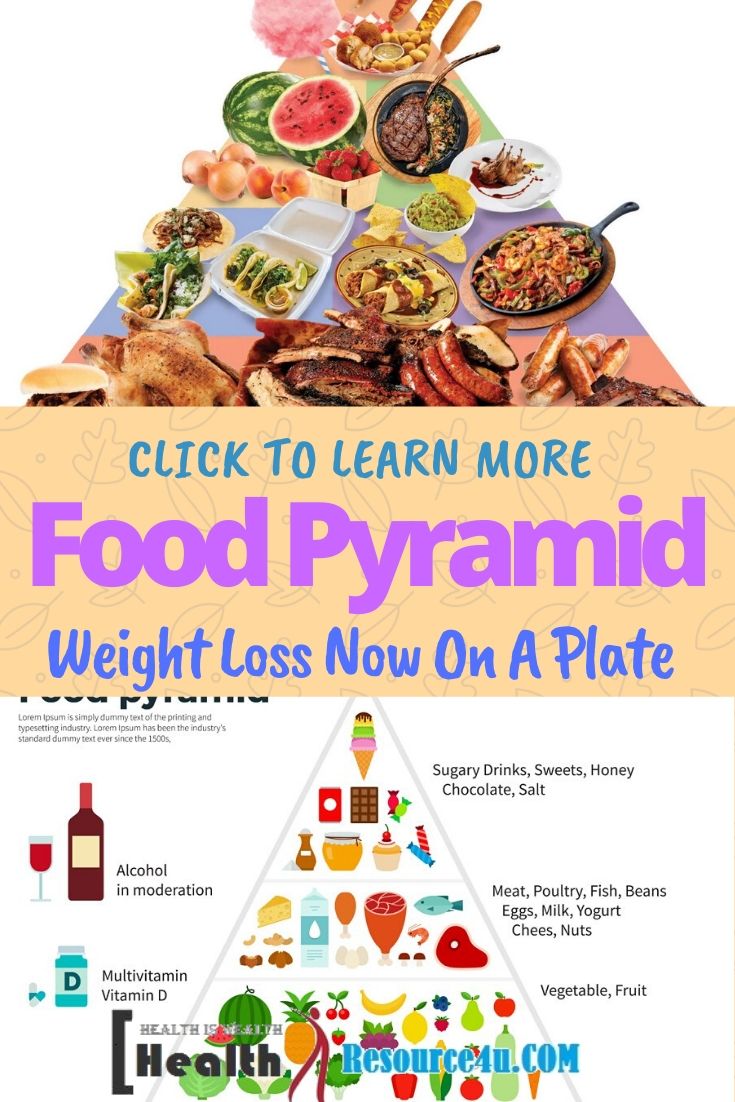 While no single icon can convey the complex factors involved in healthy nutrition and eating, perhaps the plate comes closer as compared to the pyramid, especially when weight loss is considered. The food pyramid was chock-a-block with nutrition facts and tough to understand. The plate, on the other hand, is easy to remember and analyze in terms of the food grains it contains. The USDA/Harvard Health Public School healthy eating/food plate has found support from many different groups including the American Heart Association and the Academy of Nutrition and Dietetics.
If the dinner plate matches the four quarters and completes one circle, there is a great start to the balanced, nutrient filled meal. Using a divided plate can benefit people to eat their way to a healthy weight. The plate comprises 5 food groupings where the largest area comprises veggies and fruits followed by grains. The ChooseMyPlate.gov website also gives options for those who do not eat or drink dairy products. In a world full of choices, choosing the plate can make a big difference to your weight loss plans.